
Introduction
If you have ever seen pictures of fluffy camelids and wondered whether you’re looking at an alpaca or a llama, you’re not alone. These two animals are often confused, even by people who work closely with livestock. Yet the alpaca vs llama comparison reveals fascinating differences in size, behavior, temperament, care needs, and purpose. Whether you’re a homesteader, hobby farmer, fiber artist, or simply a curious animal lover, understanding what sets them apart can help you make the best decisions—especially if you ever plan to raise them.
Today, more people are interested in camelids than ever before. Their gentle nature, unique personalities, and valuable fiber make them incredibly appealing. But if you’re thinking about adding one to your farm—or simply want to strengthen your understanding—the details matter. This comprehensive guide breaks down everything you need to know in simple, relatable terms. From physical traits to daily care to long-term compatibility, you’ll learn how to confidently identify, compare, and choose between alpacas and llamas.
Alpaca vs Llama: Why People Confuse Them
Most confusion between alpacas and llamas comes from their shared history. They are both domesticated South American camelids and look somewhat similar at first glance. Yet once you dive deeper into the alpaca vs llama comparison, you can easily spot differences in their size, face shape, ears, fiber, and personality.
Below, you’ll learn how to distinguish them instantly—even from a distance.
H2: Key Differences Between Alpacas and Llamas
H3: Size and Body Structure
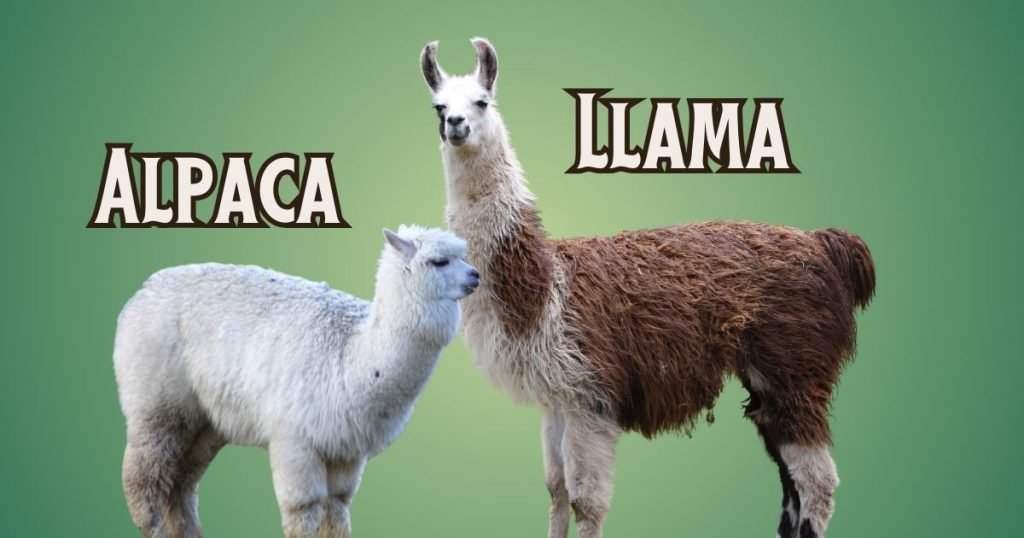
One of the quickest ways to tell an alpaca from a llama is by comparing size. Llamas are significantly larger, standing about 5.5 to 6 feet tall at the head, while alpacas usually stand 4.5 to 5 feet tall. Llamas also weigh much more—250 to 400 pounds compared to an alpaca’s modest 120 to 180 pounds.
The llama’s frame is long and athletic, built for strength. Alpacas, on the other hand, have a smaller, more delicate build that supports fine fiber production.
H3: Facial Features
If you look closely at their faces, the distinction becomes even clearer. Alpacas have:
- Short, blunt faces
- Soft, woolly cheeks
- Large, round eyes
Llamas have:
- Longer, more elongated faces
- A leaner, less fluffy appearance
- Distinctive, curved “banana-shaped” ears
This single feature—ear shape—is often enough to identify a llama instantly.
H2: Fiber and Coat Characteristics
H3: Alpaca Fiber
Alpaca fiber is one of the softest natural fibers in the world, often compared to cashmere. It is warm, breathable, hypoallergenic, and available in dozens of natural colors. Because of its luxurious quality, alpaca fiber is often preferred by fiber artists and textile makers.
H3: Llama Fiber
Llama fiber is coarser and has two layers—a soft undercoat and a rough outer coat. While some llamas produce decent-quality fiber, they are not primarily bred for textile use. Their wool is better suited for rugs, ropes, and durable crafts rather than fine garments.
H2: Temperament and Personality
H3: Alpaca Behavior
Alpacas are shy, gentle, and generally quiet. They prefer to stay with their herd and feel safest in groups. They rarely challenge predators and often rely on their companions for reassurance. Their cautious personality makes them easy for beginners to handle.
H3: Llama Behavior
Llamas are far more confident and independent. Many people describe them as bold and curious. Because of their alertness and strength, llamas often serve as guard animals for sheep, goats, and even alpacas. They can deter predators such as foxes, coyotes, and even stray dogs.
H2: Uses and Roles
H3: Alpacas for Fiber Production
If you are interested in producing luxury fiber, alpacas are the ideal choice. Their fleece is softer than sheep’s wool and requires minimal processing. Alpacas come in two breeds:
- Huacaya – fluffy, teddy-bear appearance
- Suri – silky, dreadlock-like fiber
Both produce valuable fleece with high demand in the textile market.
H3: Llamas for Pack Work and Protection
Llamas excel in two main roles:
- Pack animals – Their strong bodies can carry 70–90 pounds while hiking, making them excellent companions for long-distance trekking.
- Guard animals – Their protective nature helps safeguard smaller livestock from predators.
While llamas may also produce usable fiber, their true strength lies in their working abilities.
H2: Habitat, Care, and Diet
H3: Living Environment
Both alpacas and llamas thrive in open pastures with shelter from wind and rain. They prefer dry ground, moderate temperatures, and plenty of space to run, graze, and socialize. Fencing should be strong enough to keep predators out and secure them in.
H3: Feeding Requirements
Alpacas and llamas eat a similar diet of grass, hay, and mineral supplements. They are surprisingly efficient grazers, consuming far less food than traditional livestock of similar size. Fresh water must be available at all times, and their diet should remain consistent to maintain digestive health.
H3: Health and Veterinary Care
Camelids need routine veterinary checkups, vaccinations, and parasite management. Nail trimming, occasional shearing, and dental checks are also part of their care. Alpacas require annual shearing for fiber harvest, while llamas may not need it as often.
H2: Social Behavior and Herd Dynamics
H3: Herd Structure
Alpacas form tightly bonded groups. They rely on herd mates for security and comfort, so it’s best to keep them in groups of at least three. Llamas, while social, can tolerate more independence. They can live happily with other camelids or function as a solitary guard animal for sheep or goats.
H3: Communication
Both alpacas and llamas use humming as their main vocal communication. They also use body language, ear position, tail movement, and posture to express emotions. While spitting is often mentioned, it is usually directed at other herd members—not humans—unless the animal feels threatened or cornered.
H2: Cost, Ownership, and Long-Term Commitment
H3: Purchase Price
The cost varies depending on breeding quality, lineage, and fiber grade. In general:
- Alpacas cost more due to their fiber value.
- Llamas are usually more affordable unless bred for high-quality traits.
H3: Daily and Annual Costs
Ongoing expenses include:
- Feed and hay
- Minerals and supplements
- Veterinary care
- Fencing and shelter
- Shearing and hoof care
Both species are relatively low-maintenance compared to many other farm animals, but the long-term commitment is significant since they can live 15–25 years.
H2: Alpaca vs Llama for Families and Hobby Farms
H3: Alpacas as Gentle Companions
Alpacas are ideal for families, especially with children or first-time livestock owners. Their soft fiber, calm behavior, and gentle nature make them perfect for hobby farms or small homesteads. They require companionship, routine care, and a safe pasture environment.
H3: Llamas as Guardians and Workers
If you want an animal that helps protect your farm or carry gear on long adventures, llamas are the better choice. Their intelligence, strength, and confidence make them excellent workers. They adapt well to mixed herds and are easy to train for trekking.
H2: Choosing the Right Camelid for You
H3: Choose an Alpaca If You Want…
- Soft, luxurious fiber
- Gentle, shy temperament
- A peaceful, quiet herd animal
- A fiber-focused farming experience
H3: Choose a Llama If You Want…
- A confident guard animal
- A pack companion for hiking
- Lower-maintenance fiber needs
- A strong, independent personality
The decision in the alpaca vs llama question depends entirely on your goals, lifestyle, and expectations.
H2: Frequently Asked Questions
H3: Do alpacas or llamas spit more?
Both spit, but mostly at other animals. Llamas may spit more often during dominance disputes, while alpacas usually do so only when stressed.
H3: Can alpacas and llamas live together?
Yes, they coexist well. Many farms keep them together for companionship and shared grazing.
H3: Are they safe around children?
Generally, yes. Both species are gentle when handled properly, but supervision is always recommended.
H3: Can you ride a llama?
No. Although llamas are strong, they are not built for riding—only for carrying moderate loads.
Conclusion
The Alpaca vs Llama comparison reveals two unique and remarkable animals with their own strengths, personalities, and uses. Alpacas shine in fiber production and gentle companionship, while llamas stand out as working animals capable of guarding livestock and carrying packs. Understanding their differences helps you choose the right fit for your farm, family, or personal goals.
No matter which you prefer, both alpacas and llamas offer rewarding experiences for people who appreciate calm, friendly animals and natural outdoor living. With proper care, respectful handling, and a suitable environment, these charming camelids can bring joy, comfort, and even practical benefits for many years.
